
St. George Succession Lawyer
Serving St. George and East Baton Rouge Parish
Successions and Probate
A Louisiana succession establishes who has authority to act and who receives the decedent’s succession property. The right route depends on domicile, the will or heirship, the assets and debts, and whether administration or a narrower procedure is appropriate. Field Law organizes the facts and records, explains the available path, prepares the court filings, and helps the family move from uncertainty toward a usable judgment and completed transfers.
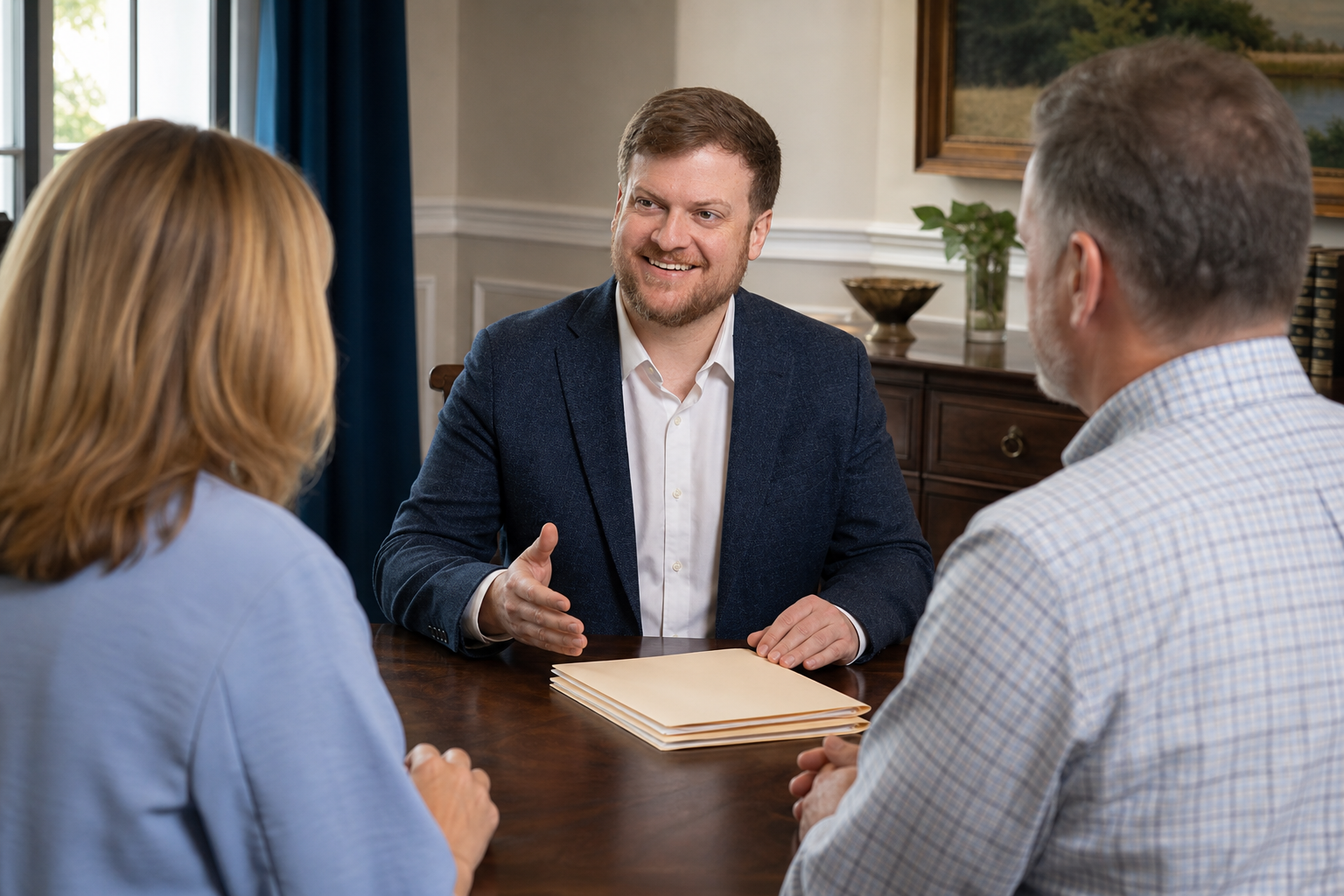
The decisions this page helps organize
Find the controlling records
Locate the original will when one exists, death certificate, family information, property records, account information, and evidence of debts. Missing or conflicting information should be addressed before final pleadings are signed.
Choose the procedural route
Some estates can seek possession without a continuing administration. Others need an executor or administrator, authority to manage or sell property, creditor work, accountings, or additional court supervision.
Finish the transfers
A judgment is a major step, but banks, vehicles, real estate, mineral interests, and other assets may require certified copies, recordation, or institution-specific follow-through.
Use parish records for a St. George home
East Baton Rouge’s ClerkConnect access includes probate records and property records. Those are different searches within the parish system: a deed concerns recorded ownership, while a succession file concerns an estate proceeding. Identify the owner and document you need instead of searching only for the city name.
For a St. George death, identify the deceased person’s domicile rather than using the heirs’ addresses to choose the court. A probate-file search and a property-record search may both be needed through East Baton Rouge. If land is elsewhere, tell the firm: the court handling the estate and the parish holding a deed may differ.
For a Louisiana domiciliary, the deceased person’s domicile at death governs the parish for opening the succession. Nonresident estates require a different property-based analysis. An heir’s convenience or the hospital where death occurred does not by itself answer the venue question.
Useful sources: East Baton Rouge Clerk: online court and property records · Louisiana Code of Civil Procedure Article 2811.
A four-step successions and probate process
STEP 1
Confirm domicile, family relationships, and the existence of a will.
STEP 2
Inventory the property, debts, records, and immediate risks.
STEP 3
Select and file the procedure supported by the facts.
STEP 4
Obtain the judgment and complete the remaining transfers.
Focused experience, practical communication
Morgan Field is a Louisiana estate law specialist. Field Law focuses on planning, successions, estate disputes, litigation, and appeals and offers people-first service in person or remotely.
The initial consultation is free. After reviewing the matter, the firm can explain the proposed scope and fee arrangement. Timing and cost depend on the facts, records, cooperation, court requirements, and work actually needed; no page can promise a particular result or completion date.
Related guidance
St. George Estate Lawyer
Explore the local service guide and choose your next step.
St. George Estate Planning Lawyer
Coordinate family decisions, incapacity documents, ownership, beneficiaries, and instructions at death.
Louisiana Successions and Probate
Read the detailed Louisiana explanation for this part of your matter.
St. George Succession Lawyer FAQs
Select a question to read the answer.
Where is a succession for a St. George resident filed?
Field Law is based nearby in Baton Rouge and serves St. George clients in person or remotely. Successions connected to East Baton Rouge Parish continue through the parish clerk and the Nineteenth Judicial District Court; incorporation did not create a separate St. George succession venue.
Does finding a will eliminate the succession?
Usually not. A will provides instructions for succession property, but the court process may still be needed to probate the will, recognize authority, and place successors into possession.
Can out-of-area heirs participate remotely?
Often. Meetings and many signatures can be coordinated remotely, although original wills, notarized affidavits, certified records, or court requirements may require additional handling.
Talk with a St. George Succession Lawyer
Field Law serves St. George residents and families in southeastern East Baton Rouge Parish. Consultations are free, and many matters can begin remotely.

© 2026 Field Law. All rights reserved.
Responsible Attorney: James Morgan Field, III, Louisiana Bar Roll No. 34285. Attorney Morgan Field is listed with the Louisiana State Bar Association under his full name.
*Images are obtained under license from Canva and other third-party stock image providers, with attribution included where required.
Digital Marketing By 