
Baton Rouge Estate Planning Lawyer
Plan For Your Spouse, Your Children, And The Life You Have Built
You have built a life together: a home, savings, retirement accounts, and people who depend on you. Your estate plan should connect those assets with clear instructions for illness, incapacity, and death. If either of you has children from an earlier relationship, the plan also needs to address how you will provide for a spouse and those children.
Field Law helps established couples and parents in blended families create coordinated Louisiana estate plans. Work with a Baton Rouge estate planning lawyer who explains your choices, prepares the documents, and identifies the steps needed to put the plan into effect.
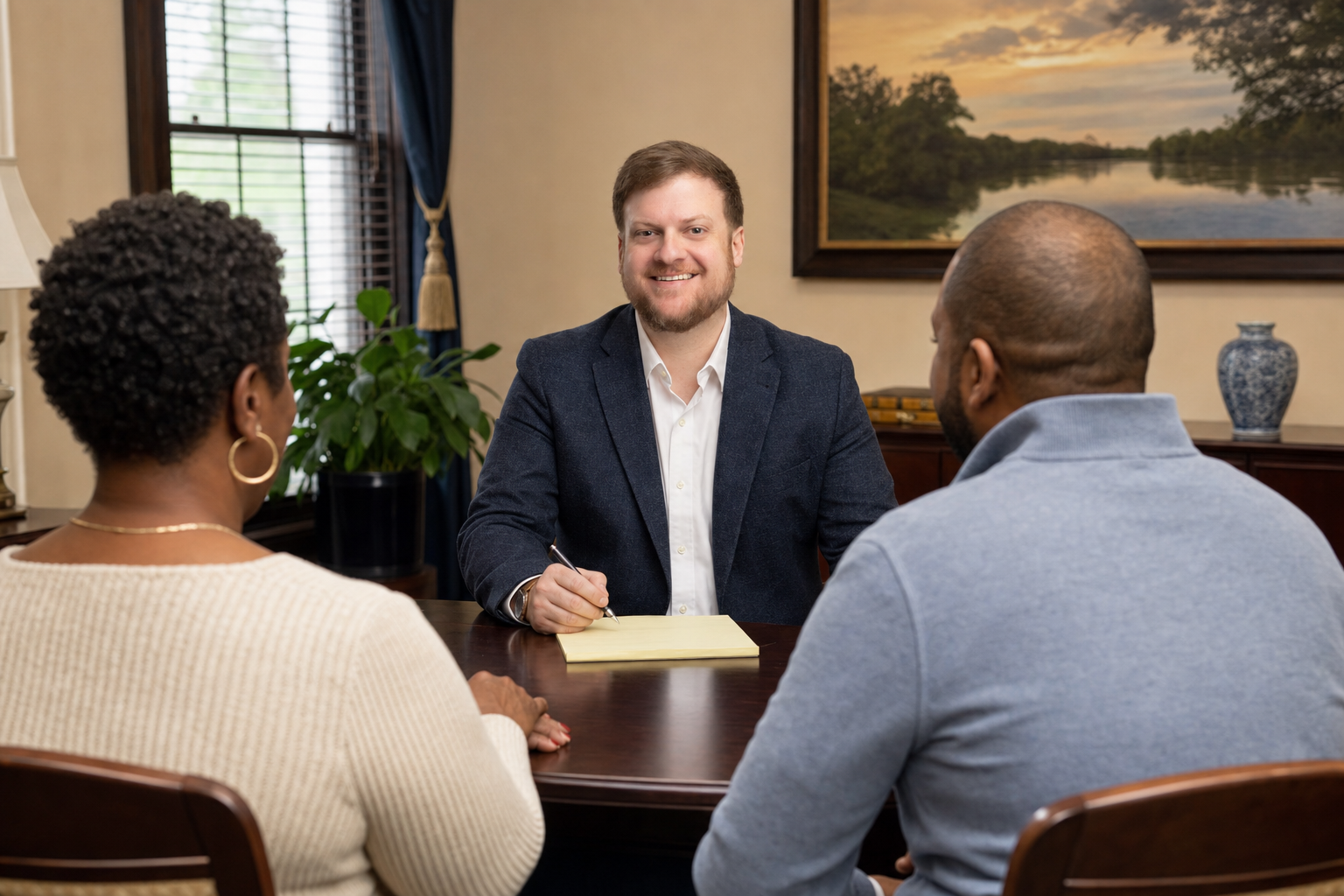
Consultations are free. Begin with our secure questionnaire so we can understand your family and planning goals before responding.
A Plan That Fits Your Family’s Responsibilities
For Established Couples
A home, retirement savings, investments, and life insurance may follow different transfer rules. We help you decide who should receive each asset, who can act during incapacity, and whether your existing documents and beneficiary choices support the same plan.
For Parents In Blended Families
You may want a surviving spouse to remain secure while preserving an inheritance for your children. We help you examine the rights, timing, and practical responsibilities involved, including children from earlier relationships and property brought into the marriage.
These concerns often overlap. The starting point is your family’s actual situation and the decisions you want the plan to resolve. We do not assume that every couple needs the same documents or that every blended family expects a dispute.
Decide What Should Happen At The First Death
A plan that says only what happens after both spouses die may leave important questions unanswered. What resources will the survivor need? Who will own the home? Should children receive property immediately or later? Who will manage an inheritance for a younger beneficiary?
For blended families, an outright gift to a spouse and a plan preserving property for children can have different consequences. Leaving everything outright to a spouse does not itself reserve that property for your children later. We explain the available structures and the authority, limits, and ongoing responsibilities each creates.
A usufruct can give a spouse rights to use property and receive its benefits while another person holds the remaining ownership rights. Louisiana Civil Code Article 1499 permits a testamentary usufruct in favor of a surviving spouse. A trust may provide another way to define management and distributions. Neither tool is automatically the right answer; the property and family goals determine the fit.
Our Baton Rouge blended-family estate planning page addresses these decisions in greater detail.
Coordinate Your Property With Your Documents
Begin with what each person owns
We review ownership, account records, and existing documents to distinguish community property, separate property, and interests held with others. Property acquired before marriage or received through an inheritance may require different treatment from assets accumulated together.
Check beneficiary designations
Life insurance and retirement benefits commonly follow beneficiary designations and applicable plan rules. A new Will alone does not necessarily change them. We identify the coordination needed and discuss who will complete and confirm any approved changes with the institution.
Consider the later succession
The plan should account for how your family will establish ownership after a death. Our Baton Rouge succession practice informs that review, including the records and instructions survivors may need. Signing documents is one stage; ownership and transfer arrangements must also be addressed.
Choose Documents For The Decisions They Need To Handle
Each document has a different purpose. We explain which tools fit your goals and how they work together.
Wills
A Louisiana Will directs property governed by the Will, names an executor, and may include trusts. Parents can also address nominations for the care of minor children. Proper preparation and execution matter.
Trusts
Trust planning can establish who manages property, when distributions occur, and what standards apply. A trust brings funding and administration responsibilities; it should solve an identified planning need.
Financial Authority
A financial power of attorney, called a mandate in Louisiana, identifies who may handle covered financial and property matters. The powers should match the tasks that person may need to perform.
Health-Care Decisions
A health-care mandate names a decision-maker. A Living Will or advance directive records treatment instructions for the circumstances it covers. They serve different purposes.
We can also discuss charitable gifts, personal-property instructions, funeral wishes, and pet care where they are part of your goals. Planning should reflect what matters to you without adding documents that serve no useful purpose.
Louisiana Rules Can Affect The Choices Available
Louisiana’s community-property, inheritance, and document-execution rules require attention even when your goals sound straightforward. A plan prepared elsewhere may need review after a move to Louisiana.
Forced heirship can limit the property available to leave freely. Under Civil Code Article 1493, certain children age 23 or younger at a parent’s death, and certain descendants with qualifying incapacity, may be forced heirs. Additional rules address representation and particular conditions. We review the actual family circumstances rather than assume all adult children fall outside those protections.
These rules matter when deciding how to provide for a spouse, children from different relationships, or a beneficiary who needs continuing support. Broader explanations are available in our Louisiana estate planning guide.
What Working With Field Law Looks Like
1. Discuss Your Family And Goals
Tell us what you want to accomplish, who depends on you, and what concerns you about the current plan. Bring existing documents and a general picture of your assets; you do not need to know the solution before the conversation.
2. Understand The Choices And Scope
We explain the recommended structure, meaningful alternatives, and proposed work and pricing. For couples, we also address how representation will work and any differences in objectives that need attention.
3. Review And Sign The Documents
We prepare the agreed documents and explain their effect. You have an opportunity to ask questions and resolve decisions before execution under the applicable requirements.
4. Complete The Follow-Through
We identify remaining beneficiary, ownership, funding, and recordkeeping steps and clarify who is responsible for them. Keep the signed documents accessible to the appropriate people and revisit the plan as circumstances change.
Know What Is Included Before Work Begins
The proposed work and pricing should reflect your family, existing documents, assets, and the complexity of the plan. A Will, a trust-based plan, and a review of older documents can involve different work.
We explain the recommended scope and pricing before moving forward. Ask whether the work includes signing arrangements, trust funding assistance, deeds, beneficiary coordination, and follow-up, and which expenses or services are separate. Comparing scope helps you understand what a quoted fee actually covers.
Our role is to make the decisions understandable and prepare the agreed legal work. Your role includes providing complete information, making the necessary choices, reviewing the documents, and completing assigned steps with financial institutions or other advisers.
Review The Plan When Life Changes
Marriage, remarriage, divorce, a new child, a death, a change in health, or a major asset purchase can change what your plan needs to accomplish. Review is also appropriate when a named decision-maker can no longer serve or you no longer trust that person.
Field Law can review documents prepared by our firm or another attorney. We compare the existing provisions with your current goals before recommending amendments, replacement documents, or changes to related arrangements. Bring the complete signed documents and any amendments, not just a summary.
At the first meeting, useful information includes family relationships, existing Wills and trusts, property and account ownership, beneficiary designations, and the names of people you are considering for responsibility. An organized overview is enough to begin identifying what else is needed.

MEET MORGAN FIELD
Planning With The Later Administration In Mind
Morgan Field’s practice focuses on Louisiana estate planning, successions, estate disputes, litigation, and related appeals.
That perspective helps connect the documents signed today with the decisions and responsibilities your family may face later. He explains the choices so you can make informed decisions about the people and property that matter to you.
Baton Rouge Estate Planning Questions
Do we need a trust because we are a blended family?
Not automatically. The right structure depends on the survivor’s needs, the intended inheritance, the assets, and who will manage them. We compare the practical effect of available options, including their costs and continuing responsibilities.
Can we make different choices for different children?
Your goals may call for different gifts, timing, or management provisions. Louisiana forced-heirship rules and other legal constraints must be considered. We discuss the reasons for your choices and whether the proposed structure can carry them out.
Will a trust eliminate all succession work?
No universal promise is appropriate. The result depends on the type of trust and whether the relevant property is properly transferred or otherwise coordinated with it. Property left outside the arrangement may still require succession work.
Can we begin remotely?
Many planning discussions and document reviews can begin by phone, video, or secure document exchange. Signing requirements depend on the documents and circumstances. We explain the arrangements for your plan rather than assume every step can be completed online.
What if we already have Wills?
Bring them for review along with any mandates, trusts, and beneficiary information. The question is whether they still reflect your family and work with your current property, not simply whether documents already exist.
Discuss A Plan For Your Family’s Next Chapter
Whether you are coordinating a plan built over many years or balancing a spouse’s needs with children from earlier relationships, start with the decisions you want to resolve. Field Law’s Baton Rouge office is at 6161 Perkins Road, Suite 1B.
Consultations are free. The secure questionnaire starts intake so we can understand your situation before responding. It does not immediately book an appointment.
Explore our Estate Planning & Wills overview or Baton Rouge office information for related guidance.

© 2026 Field Law. All rights reserved.
Responsible Attorney: James Morgan Field, III, Louisiana Bar Roll No. 34285. Attorney Morgan Field is listed with the Louisiana State Bar Association under his full name.
*Images are obtained under license from Canva and other third-party stock image providers, with attribution included where required.
Digital Marketing By 