
Denham Springs Estate Planning Lawyer
Serving Denham Springs and Livingston Parish
Estate Planning
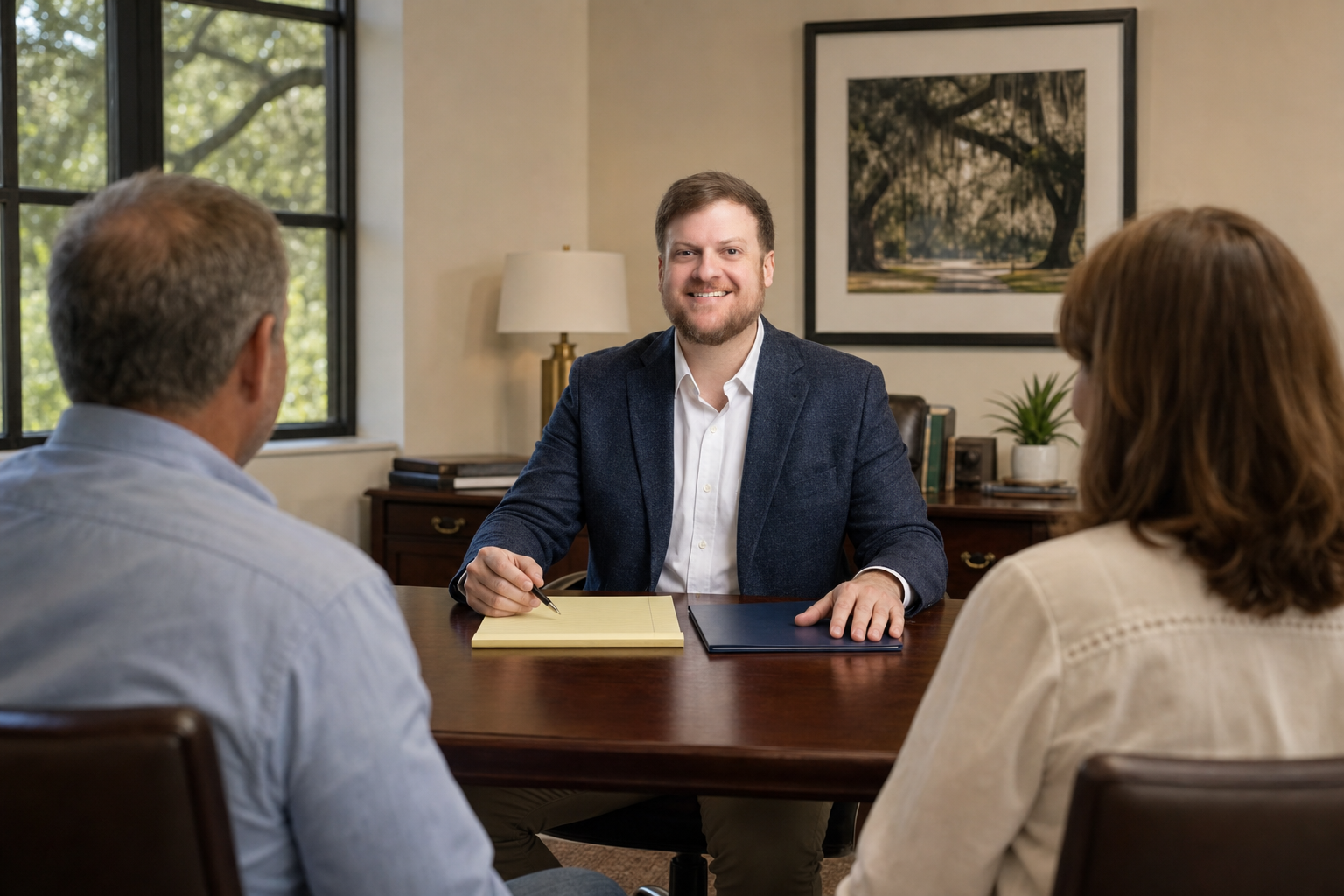
A useful estate plan is more than a will. It coordinates the people who may act during incapacity, the instructions that apply at death, and the way property and beneficiary-designated assets actually transfer. Field Law helps clients make those decisions in plain language, identify gaps, and build a plan that can be understood and used in real life.
Finding Livingston records when all you have is an address
The Livingston Clerk explains that its property lookup uses a person’s name; the assessor can help start an address-based inquiry. For an existing succession, the clerk directs requests to Civil Records using the deceased person’s full name. Keep owner names, prior names, and any case number with the property address.
For a Denham Springs estate plan, make a list of Livingston properties with both addresses and owner names. This makes the clerk’s name-based search more useful when deeds are missing. Keep unresolved inherited-property questions separate from the new instructions: the plan should describe your actual interests, not assume an earlier estate was completed.
Useful sources: Livingston Clerk: finding successions and property records.
The decisions this page helps organize
People and authority
Choose who may handle financial matters and who may make health-care decisions if you cannot act personally. The documents should grant the powers that are actually needed and include appropriate safeguards.
Property and transfer paths
Review how real estate, accounts, insurance, retirement benefits, business interests, and other property are owned and how each asset is expected to transfer. A will cannot override every title or beneficiary record.
Family instructions
Use a will, trust, or other planning tool when it advances a defined goal, such as naming an executor, selecting a tutor for children, protecting a beneficiary, or setting terms for long-term management.
A four-step estate planning process
STEP 1
Identify the family, property, and decisions the plan must address.
STEP 2
Review current documents, ownership, and beneficiary designations.
STEP 3
Choose the people, instructions, and safeguards that fit the client.
STEP 4
Prepare and execute the plan, then organize the follow-through.
Focused experience, practical communication
Morgan Field is a Louisiana estate law specialist. Field Law focuses on planning, successions, estate disputes, litigation, and appeals and offers people-first service in person or remotely.
The initial consultation is free. After reviewing the matter, the firm can explain the proposed scope and fee arrangement. Timing and cost depend on the facts, records, cooperation, court requirements, and work actually needed; no page can promise a particular result or completion date.
Related guidance
Denham Springs Estate Lawyer
Return to the local estate-law guide and service pathways.
Denham Springs Wills Lawyer
Prepare a valid Louisiana will and coordinate it with the assets the will does—and does not—control.
Denham Springs Trusts Lawyer
Decide whether a trust solves a real planning need, then address terms, funding, and administration.
Denham Springs Elder Law Attorney
Plan for financial authority, health-care decisions, aging, care coordination, and incapacity.
Louisiana Estate Planning And Wills
Read the statewide practice guide for the deeper Louisiana-law framework.
Denham Springs Estate Planning Lawyer FAQs
Select a question to read the answer.
Is a will enough for a Denham Springs estate plan?
Sometimes a will is central, but it does not address every incapacity decision or control every asset. Ownership, beneficiary designations, mandates, health-care documents, and any trust should be reviewed together.
Can planning begin remotely?
Yes. The consultation and information-gathering stages can often begin remotely. Field Law will explain which final documents require formal in-person or notarized execution.
When should the plan be reviewed?
Review after a marriage, divorce, birth, death, diagnosis, move, major property change, business event, or change in the people named to act.
Talk with a Denham Springs Estate Planning Lawyer
Field Law serves Denham Springs, Walker, Watson, and families throughout Livingston Parish. Consultations are free, and many matters can begin remotely.

© 2026 Field Law. All rights reserved.
Responsible Attorney: James Morgan Field, III, Louisiana Bar Roll No. 34285. Attorney Morgan Field is listed with the Louisiana State Bar Association under his full name.
*Images are obtained under license from Canva and other third-party stock image providers, with attribution included where required.
Digital Marketing By 